
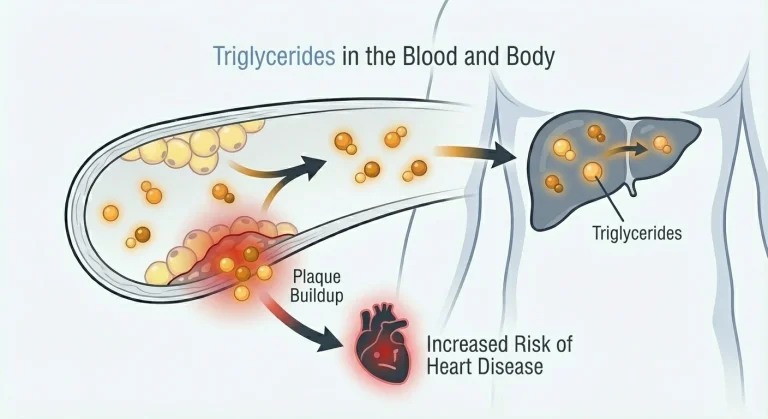
Triglycerides: The Marker That Predicts Metabolic Disaster Before It Happens
Triglycerides are the most common type of fat in your blood, and they’re one of the most revealing biomarkers for metabolic health. While cholesterol gets most of the attention in cardiovascular discussions, elevated triglycerides often signal metabolic dysfunction years before serious disease develops. High triglycerides don’t just increase heart disease risk—they indicate that your body is failing to process energy efficiently, storing excess as fat, and heading toward insulin resistance, diabetes, and accelerated aging.
Most people only hear about triglycerides when they’re already dangerously elevated. But if you’re pursuing performance optimization and longevity, triglycerides should be on your radar long before your doctor considers them “concerning.” The difference between optimal and “normal” triglyceride levels can mean the difference between metabolic excellence and slow-burning dysfunction that compounds over decades.
What Are Triglycerides?
Triglycerides are a type of lipid (fat) composed of three fatty acid chains attached to a glycerol backbone. They’re the primary form your body uses to store energy. When you eat more calories than you immediately need, your body converts the excess—whether from carbohydrates, protein, or dietary fat—into triglycerides and stores them in fat cells for later use.
Between meals, hormones signal the release of triglycerides from fat stores to provide energy. This is normal, healthy metabolism. The problem occurs when triglyceride production consistently exceeds usage, leading to chronically elevated blood triglyceride levels. This signals that your body is overwhelmed by energy intake, can’t process it efficiently, or both.
Triglycerides are measured in your lipid panel alongside cholesterol markers (LDL, HDL, total cholesterol). While they’re often overlooked in favor of cholesterol discussions, triglycerides provide critical insight into metabolic health, insulin resistance, inflammation, and cardiovascular risk.
Why Triglycerides Matter for Performance and Health
Elevated triglycerides aren’t just a cardiovascular risk marker—they’re a window into your entire metabolic system. When triglycerides are chronically high, it indicates deeper dysfunction affecting energy production, body composition, cognitive function, and longevity.
Cardiovascular risk: High triglycerides independently predict heart disease and stroke. They promote small, dense LDL particles (the most atherogenic type), increase inflammation in blood vessels, contribute to arterial plaque formation, and are strongly associated with metabolic syndrome. Even when LDL cholesterol is “normal,” elevated triglycerides dramatically increase cardiovascular risk.
Insulin resistance and diabetes: Triglycerides and insulin resistance form a vicious cycle. High insulin (from insulin resistance) tells your liver to produce more triglycerides. Elevated triglycerides worsen insulin resistance. This cycle accelerates progression toward type 2 diabetes and metabolic syndrome.
Fatty liver disease: Chronically elevated triglycerides drive fat accumulation in the liver (non-alcoholic fatty liver disease, or NAFLD). This isn’t just a cosmetic issue—fatty liver causes inflammation, impairs liver function, and increases risk of cirrhosis and liver cancer over time.
Cognitive function: High triglycerides are associated with increased dementia risk, cognitive decline, and reduced brain volume. The mechanisms include reduced cerebral blood flow, increased inflammation affecting brain tissue, and impaired blood-brain barrier function.
Energy and performance: When your body can’t efficiently process and clear triglycerides, energy metabolism becomes sluggish. This manifests as persistent fatigue, poor workout recovery, difficulty losing fat despite caloric deficits, and unstable energy throughout the day.
Inflammation: Elevated triglycerides promote systemic inflammation, which drives accelerated aging, chronic disease, and poor recovery from physical stress.
Normal vs. Optimal Triglyceride Levels
Here’s where conventional medicine fails you.
Standard Reference Ranges:
- Normal: Less than 150 mg/dL
- Borderline high: 150-199 mg/dL
- High: 200-499 mg/dL
- Very high: 500+ mg/dL
The Problem With “Normal”:
These ranges were established by looking at average populations eating standard American diets with widespread metabolic dysfunction. “Normal” includes people who are prediabetic, insulin resistant, and on the path to chronic disease. Triglycerides at 140 mg/dL might be “normal” statistically, but they’re far from optimal metabolically.
Furthermore, most doctors don’t intervene until triglycerides exceed 200 mg/dL or even 500 mg/dL. By that point, you’ve likely had years of metabolic dysfunction silently damaging your cardiovascular system, liver, and overall health.
Optimal Range for Performance and Longevity:
For true metabolic health and performance optimization, triglycerides should be below 100 mg/dL, ideally below 70 mg/dL. At these levels, you’re not just avoiding disease risk—you’re demonstrating efficient energy metabolism, insulin sensitivity, and metabolic flexibility.
Research consistently shows that people with triglycerides below 100 mg/dL have significantly lower cardiovascular event rates, better insulin sensitivity, reduced inflammation, and improved longevity markers compared to those in the 100-150 mg/dL “normal” range.
Your doctor might say 145 mg/dL is “fine.” For disease avoidance, maybe. For optimal metabolic health and performance? You’re leaving significant opportunity on the table.
What Causes Elevated Triglycerides?
Multiple factors contribute to high triglycerides, often working synergistically to create progressive metabolic dysfunction.
Excess carbohydrate intake, particularly refined carbohydrates and sugar, is the primary driver of elevated triglycerides. When you consume more carbs than your body can immediately use or store as glycogen, the liver converts excess glucose into triglycerides. Chronically high carbohydrate intake, especially from processed foods and sugar, keeps triglyceride production elevated.
Excess caloric intake from any source—carbs, fat, or protein—beyond what you burn creates an energy surplus. Your body converts this surplus to triglycerides for storage. Even if you’re eating “healthy” foods, chronic caloric excess elevates triglycerides.
Insulin resistance creates a vicious cycle. When cells become resistant to insulin’s signal, your pancreas produces more insulin to compensate. High insulin tells your liver to produce more triglycerides while simultaneously preventing fat cells from releasing stored triglycerides for energy. The result is chronically elevated blood triglycerides alongside expanding fat stores.
Alcohol consumption significantly raises triglycerides. The liver prioritizes alcohol metabolism over other processes, which disrupts normal fat metabolism and leads to increased triglyceride production. Even moderate drinking can elevate triglycerides in susceptible individuals.
Sedentary lifestyle contributes to elevated triglycerides by reducing energy expenditure and impairing the body’s ability to clear triglycerides from the bloodstream. Regular physical activity improves triglyceride clearance and utilization.
Poor sleep quality and chronic sleep deprivation disrupt metabolic hormones, increase insulin resistance, and elevate triglycerides. Even a few nights of poor sleep can measurably increase triglyceride levels.
Obesity, particularly visceral fat, produces hormones and inflammatory signals that worsen insulin resistance and promote triglyceride production. Fat tissue isn’t just storage—it’s metabolically active and influences triglyceride metabolism.
Genetic factors affect how efficiently your body processes triglycerides. Some people are genetically predisposed to higher triglycerides and may need more aggressive dietary and lifestyle interventions to maintain optimal levels.
Certain medications including corticosteroids, beta-blockers, diuretics, estrogen, and some antipsychotics can elevate triglycerides as a side effect.
Hypothyroidism slows metabolism and reduces the body’s ability to clear triglycerides from the bloodstream, leading to elevation.
Kidney disease and diabetes both disrupt normal triglyceride metabolism and often lead to significant elevation.
Symptoms and Consequences of Elevated Triglycerides
The insidious aspect of elevated triglycerides is that they often cause no obvious symptoms until damage is significant. Most people with triglycerides in the 150-300 mg/dL range feel “normal” while metabolic dysfunction progresses silently.
When extremely elevated (above 500 mg/dL), triglycerides can cause acute pancreatitis, a serious and potentially life-threatening condition characterized by severe abdominal pain and requiring immediate medical attention.
More commonly, chronically elevated triglycerides manifest through subtle indicators: persistent fatigue that doesn’t improve with rest, difficulty losing weight despite reasonable caloric intake, brain fog and reduced cognitive clarity, poor recovery from workouts, frequent hunger and carbohydrate cravings, and unexplained weight gain, particularly around the midsection.
Long-term consequences of elevated triglycerides are far more serious. They independently predict increased risk of heart attack and stroke, even with normal cholesterol levels. They accelerate progression to type 2 diabetes through worsening insulin resistance. They drive development of non-alcoholic fatty liver disease, which can progress to cirrhosis. They increase risk of cognitive decline and dementia. They promote chronic systemic inflammation that accelerates biological aging. And they’re strongly associated with metabolic syndrome, a cluster of conditions dramatically increasing risk of cardiovascular disease, diabetes, and early mortality.
You can’t optimize what you don’t measure. Most people discover their triglyceride problem only during routine physicals after years of progressive elevation. High performers test proactively and intervene early.
How to Lower Triglycerides
Reducing triglycerides requires addressing the root causes of metabolic dysfunction. The good news? Triglycerides respond dramatically to lifestyle interventions—often more so than any other lipid marker.
Dietary interventions provide the foundation and often produce the most dramatic improvements. Reduce refined carbohydrates and sugar aggressively. Triglycerides respond powerfully to carbohydrate reduction, particularly elimination of sugary beverages, desserts, processed foods, and refined grains. Limit or eliminate alcohol, as it’s one of the fastest ways to lower triglycerides. Increase omega-3 fatty acids from fatty fish (salmon, mackerel, sardines) or quality fish oil supplements—omega-3s directly lower triglyceride production. Emphasize whole foods including vegetables, quality proteins, healthy fats (olive oil, avocados, nuts), and minimize processed foods. For some individuals, a lower-carb or ketogenic approach produces dramatic triglyceride reduction by addressing insulin resistance and reducing hepatic triglyceride production.
Weight loss and body composition optimization directly lower triglycerides, particularly reduction of visceral fat. Even modest weight loss (5-10% of body weight) often produces significant triglyceride improvements. This isn’t just about aesthetics—it’s metabolic necessity.
Exercise with consistency provides powerful triglyceride-lowering effects. Both aerobic exercise and resistance training improve triglyceride clearance and insulin sensitivity. Aim for at least 150 minutes of moderate-intensity activity weekly, though more is often better for metabolic optimization.
Sleep optimization is non-negotiable. Aim for 7-9 hours of quality sleep nightly. Sleep deprivation reliably increases triglycerides within days, while sleep restoration improves them.
Stress management through evidence-based practices helps. Chronic stress elevates cortisol, which promotes insulin resistance and triglyceride production.
Medical interventions may be appropriate when lifestyle changes are insufficient or when triglycerides are dangerously elevated. Prescription medications like fibrates, niacin (at high doses), and omega-3 prescriptions can significantly reduce triglycerides. However, these should complement, not replace, lifestyle optimization.
Triglycerides and Metabolic Optimization Treatments
For individuals with insulin resistance driving elevated triglycerides, targeted medical interventions can support triglyceride reduction alongside lifestyle changes.
Metformin improves insulin sensitivity, which directly addresses one of the primary drivers of elevated triglycerides. By improving how your body handles glucose and insulin, metformin typically leads to triglyceride reduction as metabolic health normalizes. This is particularly effective when insulin resistance or prediabetes is contributing to elevated triglycerides.
Weight loss medications including GLP-1s (semaglutide, tirzepatide) produce dramatic triglyceride improvements as patients lose visceral fat and improve metabolic health. The triglyceride reduction often mirrors the degree of weight loss—lose 15-20% of body weight and triglycerides typically drop proportionally. This approach is particularly effective when excess body weight and visceral fat are primary contributors to elevated triglycerides.
Hormone optimization may support healthy triglyceride levels when hormonal imbalances are contributing to metabolic dysfunction. Low testosterone in men is often associated with higher triglycerides, insulin resistance, and poor metabolic health. Restoring testosterone to optimal levels typically improves insulin sensitivity and body composition, which can support triglyceride reduction. For women, hormonal imbalances (particularly during perimenopause and menopause) can affect lipid metabolism, and hormone optimization may provide metabolic benefits.
These interventions work best when combined with dietary optimization, exercise, and lifestyle changes rather than as standalone solutions. The goal is addressing the underlying metabolic dysfunction comprehensively.
Triglycerides and Other Health Markers
Triglycerides don’t exist in isolation—they interact with and influence numerous other biomarkers.
The triglyceride-to-HDL ratio is one of the most powerful predictors of insulin resistance and cardiovascular risk. Calculate it by dividing triglycerides by HDL cholesterol (both in mg/dL). A ratio below 2 is optimal, indicating good insulin sensitivity. Ratios above 3 suggest insulin resistance. Ratios above 5 indicate severe insulin resistance and dramatically elevated cardiovascular risk. This ratio often predicts metabolic problems before fasting glucose or A1c become abnormal.
LDL particle size and number are directly influenced by triglycerides. High triglycerides promote small, dense LDL particles, which are significantly more atherogenic (artery-clogging) than large, fluffy LDL particles. You can have “normal” LDL cholesterol but if triglycerides are elevated, your LDL particles are likely the dangerous small, dense type.
Insulin and glucose metabolism form a bidirectional relationship with triglycerides. Elevated triglycerides often precede abnormal fasting glucose or A1c, making them an early warning signal for diabetes risk. Improving insulin sensitivity (through diet, exercise, weight loss, or medications like metformin) simultaneously improves triglycerides.
Liver enzymes (ALT, AST) often rise alongside triglycerides when fatty liver develops. Elevated triglycerides with elevated liver enzymes strongly suggest hepatic fat accumulation requiring intervention.
Inflammatory markers like hs-CRP often correlate with triglycerides. Both are driven by metabolic dysfunction, obesity, and insulin resistance. Reducing triglycerides typically reduces inflammation simultaneously.
Apolipoprotein B (ApoB) provides insight into total atherogenic particle number. When triglycerides are elevated, ApoB is often elevated as well, indicating increased cardiovascular risk beyond what standard lipid panels reveal.
Triglycerides and Weight Loss
Elevated triglycerides make fat loss more difficult by signaling and worsening metabolic dysfunction. High triglycerides indicate your body is in storage mode, constantly producing and storing fat rather than efficiently burning it for energy. They’re often accompanied by insulin resistance, which prevents fat cells from releasing stored fat for energy use.
The good news? Weight loss and triglyceride reduction create a positive feedback loop. Losing fat (particularly visceral fat) lowers triglycerides. Lower triglycerides improve insulin sensitivity. Better insulin sensitivity makes further fat loss easier. This is why initial weight loss often accelerates metabolic improvements disproportionate to pounds lost.
For individuals pursuing weight loss with elevated triglycerides, addressing both simultaneously is essential. A lower-carbohydrate approach often works exceptionally well because it directly reduces hepatic triglyceride production while improving insulin sensitivity. For some, medications like metformin can support both triglyceride reduction and weight loss by improving insulin sensitivity. GLP-1 medications (semaglutide, tirzepatide) produce dramatic weight loss and typically lower triglycerides significantly as body composition improves.
Testing triglycerides before starting a weight loss protocol provides a baseline. Retesting every 3-6 months tracks metabolic improvements beyond just scale weight, confirming that you’re not just losing pounds but actually reversing metabolic dysfunction.
Frequently Asked Questions
What is a dangerous triglyceride level?
Levels above 500 mg/dL are considered dangerously high and dramatically increase risk of acute pancreatitis, a medical emergency. Levels of 200-499 mg/dL are “high” and significantly increase cardiovascular risk and metabolic disease progression. However, from an optimization perspective, anything above 100 mg/dL indicates suboptimal metabolic health worth addressing proactively.
Can you have high triglycerides with normal cholesterol?
Absolutely. This is actually very common and represents a distinct metabolic pattern often driven by high carbohydrate intake, insulin resistance, or alcohol consumption. High triglycerides with normal LDL cholesterol still dramatically increase cardiovascular risk, particularly because the elevated triglycerides promote small, dense LDL particles that are highly atherogenic. Don’t assume you’re metabolically healthy just because total cholesterol and LDL are “normal.”
How quickly can you lower triglycerides?
Triglycerides respond faster to lifestyle changes than any other lipid marker. Aggressive dietary changes (particularly reducing sugar, refined carbs, and alcohol) can lower triglycerides by 20-50% within 2-4 weeks. Weight loss, increased exercise, and improved sleep produce further reductions over 2-3 months. In cases of extremely high triglycerides (above 500 mg/dL), medications can produce dramatic reductions within weeks.
Do I need medication if my triglycerides are high?
Not necessarily. Many people can normalize triglycerides through diet, weight loss, exercise, and alcohol reduction without medication. However, if triglycerides remain elevated despite aggressive lifestyle interventions, or if they’re dangerously high (above 500 mg/dL), medication may be appropriate. Metformin, fibrates, high-dose omega-3 prescriptions, and other medications can significantly reduce triglycerides when needed. Your physician determines the appropriate approach based on your levels, cardiovascular risk, and response to lifestyle interventions.
Are triglycerides affected by fasting before the test?
Yes, significantly. Triglycerides should be measured after a 12-hour fast for accurate assessment. Eating before the test, particularly consuming carbohydrates or fat, will artificially elevate triglycerides and produce inaccurate results. Most lipid panels require fasting specifically because triglycerides are so sensitive to recent food intake.
Can stress increase triglycerides?
Yes. Chronic stress elevates cortisol, which promotes insulin resistance and increases hepatic triglyceride production. Stress also often leads to poor dietary choices, reduced sleep quality, and decreased physical activity—all of which elevate triglycerides. Managing stress isn’t just about mental health—it’s metabolic health.
What’s the best diet for lowering triglycerides?
Low-carbohydrate diets consistently produce the most dramatic triglyceride reductions, particularly when sugar, refined grains, and alcohol are eliminated. Mediterranean diets emphasizing whole foods, olive oil, fish, and vegetables also work well. The key is reducing refined carbohydrates and sugar while increasing omega-3 intake and emphasizing whole, unprocessed foods. The specific macronutrient distribution matters less than eliminating the primary dietary drivers of elevated triglycerides.
Can triglycerides be too low?
Very low triglycerides (below 50 mg/dL) are generally not concerning and may actually indicate excellent metabolic health and insulin sensitivity. Unlike some biomarkers where “too low” creates problems, extremely low triglycerides simply reflect efficient fat metabolism. The only exception is if triglycerides are undetectable (below 10-20 mg/dL), which might indicate malabsorption or rare genetic conditions requiring medical evaluation.
Testing Triglycerides With ApexBlood
Triglycerides are included in ApexBlood’s comprehensive blood panel alongside 100+ other biomarkers that provide complete context for your metabolic health. Triglycerides are most meaningful when viewed alongside insulin, glucose, A1c, HDL cholesterol, LDL cholesterol, liver enzymes, inflammatory markers, and other metabolic indicators.
Understanding your triglycerides in context with your complete biological profile allows for targeted, effective interventions rather than guesswork. You can’t optimize what you don’t measure, and you can’t understand one marker without seeing the complete picture.
If you have specific testing needs beyond our standard panel—advanced lipid fractionation, particle size analysis, ApoB testing, or other specialized metabolic markers—our physicians have access to over 2,000 lab partners nationwide and can order virtually any test available. Schedule a free consultation with our care team to discuss custom blood panel options at competitive pricing.
Get comprehensive testing for $189
The Bottom Line on Triglycerides
Triglycerides are one of the most revealing biomarkers for metabolic health. They predict cardiovascular disease, diabetes, fatty liver, cognitive decline, and biological aging years before symptoms appear. Your doctor might tell you that 140 mg/dL is “normal” because it falls within reference ranges. But optimal is below 100 mg/dL, ideally below 70 mg/dL.
Elevated triglycerides aren’t just a number—they signal that your body is failing to efficiently process energy, storing excess as fat, and heading toward insulin resistance and metabolic disease. The good news? Triglycerides respond dramatically to lifestyle interventions. Dietary changes, weight loss, exercise, and sleep optimization often normalize triglycerides within weeks to months.
High performers don’t wait for triglycerides to reach 200+ mg/dL before taking action. They test proactively, identify elevation early, and address it aggressively through diet, lifestyle, and when appropriate, medical interventions.
You can’t optimize what you don’t measure. Stop accepting “normal” when optimal is possible.
Medical Disclaimer: This information is for educational purposes and does not constitute medical advice. Triglycerides and metabolic health require evaluation by qualified healthcare providers. Never make treatment decisions based solely on internet information. Always consult licensed medical professionals for diagnosis and treatment.