
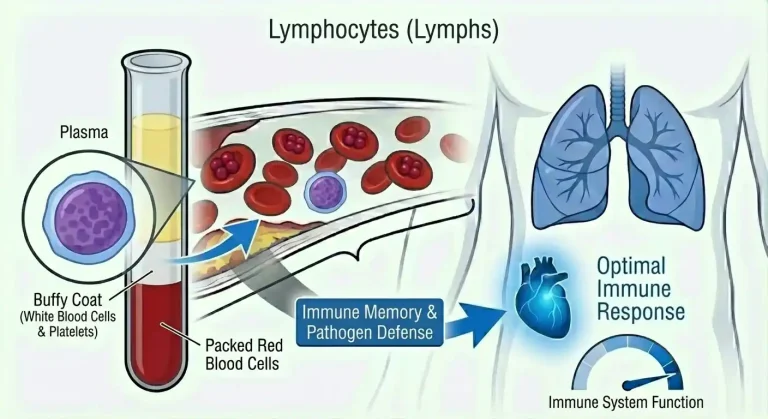
Lymphocytes: The Adaptive Immune Cells That Reveal Viral Defense, Autoimmune Risk, and Long-Term Immune Health
Your total white blood cell count is 6,200/μL—normal. Your neutrophils look fine. But your lymphocytes are 890/μL—well below the normal range of 1,000-4,800/μL. Your neutrophil-to-lymphocyte ratio is 5.8—significantly elevated.
Nobody flags it because total WBC is “normal.” Meanwhile, your adaptive immune system is compromised. Your ability to fight viral infections is reduced. Your immune memory is impaired. And research consistently shows that low lymphocyte counts and elevated NLR predict cardiovascular mortality, cancer outcomes, and all-cause death independent of other risk factors.
Or the opposite scenario: your lymphocytes are 5,200/μL—above normal range. This could indicate a viral infection your body is actively fighting, a post-viral recovery phase, or in some cases, early signs of lymphoproliferative disorders requiring investigation.
Lymphocytes aren’t just virus fighters—they’re the architects of your entire adaptive immune system. They produce antibodies, destroy cancer cells, maintain immune memory from past infections and vaccines, and regulate immune responses to prevent autoimmune damage. Their count and ratio to other immune cells reveals viral immune status, inflammatory burden, immune aging, and long-term health risk with remarkable precision.
High performers don’t just check total white blood cell count—they understand that lymphocyte count, percentage, and ratio to neutrophils provides critical information about adaptive immune function, inflammatory status, and long-term health outcomes that total WBC completely misses.
What Are Lymphocytes?
Lymphocytes are white blood cells that form the foundation of your adaptive immune system—the sophisticated, targeted immune response that learns from past infections, produces antibodies, destroys cancer cells, and provides long-lasting immune memory.
Normal lymphocyte count ranges from approximately 1,000-4,800 cells/μL in adults (some labs use 1,000-4,000/μL or 1,200-3,500/μL). Lymphocytes typically comprise 20-40% of total white blood cells. In healthy adults, absolute lymphocyte count is usually 1,500-3,500/μL.
Lymphocytes are produced in bone marrow from lymphoid stem cells. Unlike neutrophils that live only hours to days, lymphocytes can live for years or even decades—some memory lymphocytes persist for a lifetime after encountering a specific pathogen. This longevity is what allows long-term immune memory and durable vaccine protection.
There are three major types of lymphocytes, each with distinct functions.
T lymphocytes (T cells) develop in the thymus (hence “T”) and are the primary coordinators of adaptive immune responses. They comprise approximately 65-80% of circulating lymphocytes. T cells include several subtypes with different functions. CD4+ T helper cells coordinate immune responses by activating other immune cells, directing B cells to produce antibodies, and orchestrating the overall immune attack against pathogens. CD8+ cytotoxic T cells directly kill virus-infected cells, cancer cells, and other abnormal cells by recognizing specific surface proteins. Regulatory T cells (Tregs) suppress immune responses to prevent autoimmunity and control inflammation. Memory T cells persist after infection, allowing rapid responses to previously encountered pathogens.
B lymphocytes (B cells) develop in bone marrow (hence “B”) and are responsible for antibody production. They comprise approximately 5-15% of circulating lymphocytes. When activated by T helper cells and antigen exposure, B cells differentiate into plasma cells that produce specific antibodies targeting particular pathogens. Memory B cells persist after infection, enabling rapid antibody production upon re-exposure. B cell dysfunction contributes to autoimmune diseases (when antibodies target self-tissues) and immunodeficiency (when antibody production is inadequate).
Natural killer (NK) cells comprise approximately 5-15% of circulating lymphocytes and provide innate immune responses without requiring prior antigen exposure. They kill virus-infected cells and cancer cells by recognizing abnormal surface patterns, independent of the specific antigen recognition that T and B cells require. NK cell function is critical for controlling viral infections early (before T and B cells mount specific responses) and for cancer immune surveillance.
Standard complete blood counts with differential report total lymphocyte count and percentage but don’t distinguish between T cells, B cells, and NK cells. This distinction requires specialized flow cytometry testing. However, total lymphocyte count and percentage provide important information about overall adaptive immune health.
Why Lymphocyte Count Matters for Health and Performance
Lymphocyte count directly determines your adaptive immune capacity—your ability to fight viral infections, maintain immune memory, destroy cancer cells, and regulate immune responses.
Viral defense depends critically on lymphocyte count and function. Adequate lymphocytes (particularly T cells and NK cells) are essential for controlling viral infections through direct killing of infected cells, production of antiviral cytokines (interferon-gamma and others), coordination of immune responses between multiple cell types, and rapid secondary responses from memory cells to previously encountered viruses. People with chronically low lymphocytes (below 1,000-1,500/μL) often experience more frequent viral infections, more severe illness from common viruses, prolonged recovery, and reduced vaccine effectiveness.
Cancer immune surveillance requires adequate lymphocyte function. CD8+ cytotoxic T cells and NK cells patrol the body looking for cells displaying abnormal surface proteins characteristic of cancer. They recognize and destroy early cancer cells before tumors can establish. Lymphopenia (low lymphocytes) impairs this surveillance. Studies consistently show that people with cancer who have higher lymphocyte counts and lower NLR have better outcomes—their immune system can more effectively fight the malignancy.
Immune memory and vaccine effectiveness depend on lymphocyte populations. Memory T and B cells developed after infection or vaccination persist for years. Adequate lymphocyte counts support robust memory responses and effective long-term immunity. People with low lymphocytes often have weaker vaccine responses and shorter-lasting immunity.
Cognitive function has emerging associations with lymphocyte populations. Some T cells cross the blood-brain barrier and may play roles in neurological health, cognition, and potentially protection against neurodegenerative diseases. Research is still evolving in this area, but immune-brain connections are an active area of investigation.
Autoimmune risk is influenced by lymphocyte balance. Regulatory T cells (Tregs) suppress inappropriate immune responses against the body’s own tissues. Disruption of lymphocyte subset balance can contribute to autoimmune conditions. Certain patterns of lymphocyte elevation suggest autoimmune activation.
Aging dramatically affects lymphocytes in a process called immunosenescence. The thymus (where T cells mature) involutes with age, progressively reducing naive T cell production. Memory T cell pools dominate in older adults. The result is reduced immune flexibility (less ability to respond to new pathogens), decreased vaccine effectiveness, impaired cancer surveillance, and chronic low-grade inflammation (inflammaging). Lymphocyte count and function serve as markers of immune aging—better lymphocyte profiles suggest more youthful immune function.
Long-term mortality risk correlates strongly with lymphocyte count and NLR. Multiple large studies show that lower lymphocyte counts and higher NLR predict cardiovascular mortality, cancer incidence and mortality, infection-related death, and all-cause mortality. This association is independent of other risk factors and persists after adjusting for age, sex, and other variables.
Normal vs. Optimal Lymphocyte Count
Standard reference ranges for lymphocyte count vary slightly by laboratory but typically show:
Normal absolute lymphocyte count: 1,000-4,800 cells/μL (some labs use 1,000-4,000/μL or 1,200-3,500/μL)
Normal lymphocyte percentage: 20-40% of total WBC (some labs use 18-45%)
These ranges include many people with suboptimal immune function, chronic stress, metabolic dysfunction, and underlying inflammatory conditions. “Normal for the population” isn’t the same as “optimal for immune performance.”
Optimal lymphocyte count for health and performance:
Absolute lymphocyte count: 1,500-3,500/μL, ideally 1,800-3,000/μL
Lymphocyte percentage: 25-40%, ideally 28-38%
These targets provide excellent viral defense and immune surveillance without suggesting lymphoproliferative disorders. They reflect lymphocyte levels seen in healthy, non-stressed individuals with good immune function and minimal chronic inflammatory burden.
Important considerations for interpretation:
Diurnal variation affects lymphocyte count. Lymphocytes are typically highest in the evening and lowest in the morning. Testing consistently at the same time of day (ideally morning for fasting labs) ensures accurate comparison between measurements.
Stress dramatically suppresses lymphocytes through cortisol effects. Cortisol causes lymphocytes to redistribute from blood into tissues and lymph nodes, reducing circulating counts. Acute stress before blood draw can lower lymphocyte count by 20-40% temporarily. Chronic stress maintains lower lymphocyte counts persistently.
Age affects lymphocyte count and function. Children typically have higher lymphocyte counts and percentages than adults. Older adults often have lower lymphocyte counts due to thymic involution and reduced naive T cell production.
Ethnic variation is less pronounced for lymphocytes than neutrophils but individual variation exists. Some people naturally have lower or higher baseline lymphocyte counts without clinical significance.
Neutrophil-to-lymphocyte ratio (NLR) context matters. Lymphocyte count must be interpreted alongside neutrophil count. Even “normal” lymphocytes can indicate relative lymphopenia if neutrophils are very high (high NLR). Similarly, absolute lymphopenia might be less concerning if it reflects benign ethnic patterns.
Very high lymphocyte counts (above 5,000-6,000/μL) in adults warrant investigation for viral infections, pertussis, or lymphoproliferative disorders.
Very low lymphocyte counts (below 500-1,000/μL) always require investigation and indicate significant immune compromise.
What Causes Low Lymphocytes (Lymphopenia)?
Lymphopenia (absolute lymphocyte count below 1,000/μL, or below 1,500/μL by some definitions) results from decreased production, increased destruction, or redistribution from blood into tissues.
Stress and cortisol elevation is the most common cause of mild lymphopenia. Cortisol causes lymphocytes to redistribute from blood into lymph nodes and tissues. Acute physical stress (exercise, surgery, trauma), psychological stress (anxiety, sleep deprivation), or chronic stress from any source suppresses circulating lymphocyte count. This is why cortisol measurement at the same time as CBC matters for interpretation—acute stress before blood draw artificially lowers lymphocyte count.
Chronic psychological stress maintains persistently suppressed lymphocytes. People with high-stress lifestyles, poor sleep, chronic anxiety, or burnout often show lymphocyte counts of 900-1,400/μL despite no underlying immune disease. Cortisol-driven lymphopenia likely contributes to the well-established relationship between chronic stress and increased infection risk, cancer susceptibility, and mortality.
Corticosteroid medications cause lymphopenia through the same mechanism as endogenous cortisol. Prednisone, dexamethasone, and other corticosteroids are common causes of medication-induced lymphopenia. Higher doses cause greater suppression. This is why people on long-term corticosteroids have increased infection risk and impaired immune function.
Viral infections can suppress lymphocytes. HIV directly infects and destroys CD4+ T helper cells—untreated HIV causes progressive lymphopenia with CD4+ counts below 200 cells/μL defining AIDS. Acute viral infections including influenza, COVID-19, and others commonly cause temporary lymphopenia during acute illness through redistribution and viral destruction of lymphocytes. Chronic viral infections (HIV, hepatitis C, CMV) can maintain persistently suppressed lymphocytes.
Nutritional deficiencies impair lymphocyte production. Protein-calorie malnutrition significantly reduces lymphocyte production and function—lymphocytes are rapidly dividing cells requiring adequate amino acids. Zinc deficiency specifically impairs lymphocyte development and function as zinc is essential for thymic function and T cell maturation. Vitamin D deficiency impairs immune regulation and lymphocyte function. Vitamin B12 and folate deficiencies can reduce lymphocyte production alongside effects on other blood cells.
Bone marrow disorders reduce lymphocyte production when lymphoid progenitor cells are affected. Aplastic anemia suppresses all blood cell production including lymphocytes. Some leukemias and lymphomas crowd out normal lymphocyte production while causing lymphocytosis from malignant cells. Bone marrow suppression from chemotherapy or radiation causes lymphopenia alongside neutropenia and anemia.
Autoimmune conditions affecting lymphocytes include systemic lupus erythematosus (SLE)—autoantibodies against lymphocytes are common, causing lymphopenia in 20-75% of lupus patients. Lymphopenia in lupus correlates with disease activity and severity. Rheumatoid arthritis and other autoimmune conditions can cause mild lymphopenia through immune dysregulation.
Immunodeficiency disorders cause lymphopenia through various mechanisms. Primary immunodeficiencies are genetic conditions impairing lymphocyte development or function. Common variable immunodeficiency (CVID), DiGeorge syndrome (thymus aplasia causing T cell deficiency), and other conditions cause specific lymphocyte deficiencies. Severe combined immunodeficiency (SCID) causes profound lymphopenia affecting all lymphocyte types.
Radiation exposure damages rapidly dividing cells including lymphocyte precursors. Therapeutic radiation for cancer treatment causes local and sometimes systemic lymphopenia. Acute radiation syndrome from radiation accidents causes profound lymphopenia as one of the earliest hematological changes.
Major surgery and critical illness cause significant lymphopenia through stress hormone effects, redistribution, and in severe illness, accelerated lymphocyte death. Post-surgical lymphopenia typically recovers within weeks.
Malnutrition from any cause impairs lymphocyte production and function. Eating disorders, inflammatory bowel disease with malabsorption, bariatric surgery, or any condition limiting nutrient absorption can suppress lymphocyte counts.
What Causes High Lymphocytes (Lymphocytosis)?
Lymphocytosis (absolute lymphocyte count above 4,000-5,000/μL) results from increased production, decreased clearance, or reactive proliferation in response to various stimuli.
Viral infections are the most common cause of reactive lymphocytosis. The adaptive immune system responds to viral infections by producing large numbers of virus-specific lymphocytes. Common causes include Epstein-Barr virus (infectious mononucleosis)—causes dramatic lymphocytosis often with atypical lymphocytes, sometimes reaching 10,000-20,000/μL. Cytomegalovirus (CMV) causes similar picture to EBV. Hepatitis viruses cause lymphocytosis during acute infection. Many common respiratory viruses cause mild lymphocytosis. COVID-19 commonly causes lymphopenia during acute illness but sometimes lymphocytosis during recovery.
Pertussis (whooping cough) characteristically causes pronounced lymphocytosis (10,000-50,000/μL) through a toxin that prevents lymphocytes from leaving the bloodstream. This lymphocytosis is distinctive and helps diagnose pertussis.
Post-viral recovery often shows lymphocytosis as the immune system rebounds after infection. Lymphocytes elevated during recovery phase gradually return to baseline over weeks.
Chronic infections including tuberculosis, brucellosis, toxoplasmosis, and some fungal infections can cause mild persistent lymphocytosis as the immune system maintains active response.
Autoimmune conditions sometimes cause lymphocytosis through immune activation. Certain autoimmune diseases with active inflammation show elevated lymphocytes reflecting immune system activation.
Stress response in some individuals causes lymphocytosis rather than lymphopenia. Acute release of epinephrine (adrenaline) can cause rapid lymphocyte mobilization from lymph nodes into blood, temporarily raising counts. This is a shorter-lived effect than cortisol-mediated lymphopenia.
Chronic lymphocytic leukemia (CLL) is the most common leukemia in adults and presents with persistent lymphocytosis, often discovered incidentally on routine CBC. CLL lymphocyte counts typically range from 5,000 to hundreds of thousands per microliter. CLL progresses slowly in most patients but requires hematology evaluation for staging, monitoring, and treatment decisions. Key distinguishing feature: persistent lymphocytosis without infection or obvious reactive cause in older adults (CLL is rare under age 50) warrants flow cytometry testing.
Other lymphoproliferative disorders including some lymphomas (particularly those with blood involvement), hairy cell leukemia, and other clonal lymphocyte disorders can cause lymphocytosis requiring specialized testing and hematology consultation.
Thymoma (tumor of the thymus) can occasionally cause lymphocytosis through altered T cell release.
Lymphocytes, NLR, and Long-Term Mortality Risk
The neutrophil-to-lymphocyte ratio (NLR) calculated by dividing absolute neutrophil count by absolute lymphocyte count is one of the most powerful and underutilized prognostic markers available in standard blood testing.
Normal NLR is approximately 1.0-3.0 in healthy adults. NLR above 3-4 indicates relative neutrophil predominance and lymphocyte suppression, reflecting chronic inflammatory burden, stress response, or immune system imbalance.
The mortality data on NLR is striking. Large population studies consistently show NLR above 3-4 predicts significantly increased all-cause mortality, independent of traditional risk factors including age, sex, smoking, diabetes, blood pressure, and cholesterol. Each unit increase in NLR above normal is associated with meaningfully increased death risk from multiple causes.
Cardiovascular mortality shows particularly strong associations. Higher NLR predicts heart attack, stroke, cardiovascular death, and adverse outcomes after acute coronary syndrome. Studies examining NLR alongside traditional cardiovascular risk markers show NLR adds significant predictive value beyond what standard markers reveal. The mechanism likely involves chronic inflammation reflected in high neutrophils and suppressed lymphocytes—both contributing to atherosclerosis progression.
Cancer incidence and mortality correlate strongly with NLR. Higher pretreatment NLR predicts worse outcomes across multiple cancer types including colorectal cancer, lung cancer, gastric cancer, pancreatic cancer, and others. Elevated NLR may reflect immune system suppression impairing cancer surveillance and control. People with NLR above 4-5 have significantly higher cancer incidence in prospective studies.
Sepsis outcomes in critically ill patients are powerfully predicted by NLR. Patients with very high NLR have dramatically worse survival from sepsis and critical illness, reflecting exhausted or suppressed adaptive immune capacity alongside overwhelming inflammatory response.
Cognitive decline and dementia show emerging associations with NLR. Higher NLR in middle age predicts increased dementia risk in later life, suggesting that chronic inflammatory burden and immune imbalance may contribute to neurodegenerative processes.
The clinical implication is clear: optimizing NLR by reducing chronic inflammation (lowering neutrophils) and supporting lymphocyte health (raising lymphocytes) should be a target for longevity-focused individuals. NLR below 2.0-2.5 appears optimal based on current evidence.
Lymphocytes and the Immune-Aging Connection
Immunosenescence—age-related decline in immune function—primarily affects lymphocytes and has profound implications for health, longevity, and disease susceptibility.
The thymus, where T cells mature, reaches peak size in puberty and then progressively involutes. By age 40, thymic output of new T cells is substantially reduced. By age 70, it’s minimal. The consequence is a gradual shift from a diverse, flexible T cell repertoire capable of responding to new threats, to a repertoire dominated by memory T cells that are excellent at fighting previously encountered pathogens but less capable of responding to new ones.
This immunosenescence manifests as reduced vaccine effectiveness in older adults, increased vulnerability to new viral infections, reduced cancer immune surveillance, chronic low-grade inflammation (inflammaging), and reduced ability to resolve infections.
Lymphocyte count and function serve as biomarkers of immune aging. People who maintain higher lymphocyte counts with age tend to have better immune function, lower infection rates, better cancer outcomes, and longer lifespan. Interventions that slow immune aging are an active area of longevity research.
Factors that accelerate immune aging include chronic stress (chronically suppresses lymphocytes and impairs function), poor sleep (sleep is essential for immune cell production and function), chronic infections (CMV particularly drives immune aging), obesity and metabolic dysfunction (chronic inflammation accelerates immunosenescence), physical inactivity (regular exercise is strongly associated with better immune aging), nutritional deficiencies (zinc, vitamin D, protein all affect lymphocyte health), and smoking (directly toxic to immune cells).
Factors that slow immune aging include regular moderate exercise (one of the best-studied interventions for immune aging), caloric restriction or intermittent fasting (animal studies suggest benefits for immune aging), excellent nutrition including adequate protein, zinc, vitamin D, and other immune-supportive nutrients, stress management and quality sleep, avoiding chronic infections through vaccination and hygiene, and maintaining healthy body composition with minimal visceral fat.
Lymphocytes and Related Immune Markers
Lymphocytes must be interpreted alongside other white blood cell types and immune markers to understand complete immune function.
Neutrophil count and NLR provide the most important context for lymphocyte interpretation. High lymphocytes with high neutrophils suggests significant immune activation (active viral or bacterial infection). High lymphocytes with low neutrophils suggests viral infection or lymphoproliferative disorder. Low lymphocytes with high neutrophils (high NLR) indicates chronic inflammation, stress, or bacterial infection suppressing lymphocytes. Low lymphocytes with low neutrophils suggests bone marrow suppression or failure affecting multiple cell lines.
Monocytes provide additional immune context. High monocytes with high lymphocytes suggests chronic infection or inflammatory condition. High monocytes with low lymphocytes suggests bacterial infection or recovery from bone marrow suppression. Low monocytes with low lymphocytes suggests bone marrow failure or immunosuppressive medications.
Eosinophils help distinguish causes. Elevated eosinophils with lymphocytosis might suggest parasitic infection or certain drug reactions. Normal eosinophils with lymphocytosis more likely indicates viral infection or lymphoproliferative disorder.
Hs-CRP (high-sensitivity C-reactive protein) combined with lymphocyte count and NLR provides powerful inflammatory risk assessment. High hs-CRP with high NLR indicates substantial inflammatory burden from both acute-phase protein elevation and immune cell imbalance. Low hs-CRP with normal NLR suggests minimal inflammatory burden and favorable immune balance.
Hemoglobin, hematocrit, and platelets provide bone marrow context. Low lymphocytes with low hemoglobin and low platelets suggests bone marrow failure or infiltration affecting all cell lines. Normal other blood counts with isolated lymphopenia suggests lymphocyte-specific suppression (stress, medications, autoimmune).
RDW provides additional inflammatory context. Elevated RDW with high NLR and elevated hs-CRP suggests substantial chronic inflammatory burden affecting multiple physiological systems.
How to Optimize Lymphocyte Count
Optimizing lymphocyte count requires addressing underlying causes of suppression or elevation and supporting overall immune health.
For low lymphocytes (lymphopenia):
Manage stress and cortisol to address the most common cause of mild lymphopenia. Implement consistent stress management practices including meditation, breathwork, or other evidence-based techniques. Prioritize sleep—target 7-9 hours of quality sleep nightly. Sleep deprivation dramatically suppresses lymphocyte counts and function. Reduce chronic psychological stressors through lifestyle adjustments, professional support, or other appropriate interventions. Monitor cortisol if chronic stress is suspected—elevated morning or evening cortisol correlates with lymphocyte suppression.
Review medications with your physician. Corticosteroids are the most common medication causing lymphopenia. If possible and medically appropriate, discuss dose reduction with your physician. Never stop prescribed medications without guidance, but medication review is essential when lymphopenia is identified. Other immunosuppressive medications also suppress lymphocytes and require medical management.
Optimize nutritional status for lymphocyte production and function. Ensure adequate protein intake—lymphocytes are rapidly proliferating cells requiring amino acids. Target at least 0.8-1.0 g/kg body weight minimum, more for active individuals. Optimize zinc status—zinc is essential for thymic function and T cell development. Dietary zinc comes from red meat, shellfish (particularly oysters), seeds, legumes, and nuts. Consider supplementation (8-11 mg daily) if dietary intake is inadequate. Optimize vitamin D—vitamin D receptors are present on lymphocytes and vitamin D signaling affects lymphocyte function. Target serum 25-OH vitamin D above 40-60 ng/mL. Supplement if below optimal range. Ensure adequate B12 (above 400-500 pg/mL) and folate for lymphocyte production.
Exercise regularly at moderate intensity. Consistent moderate exercise is one of the best-studied interventions for immune health. Regular exercise maintains lymphocyte counts, improves lymphocyte function, reduces NLR, and slows immune aging. Target 150+ minutes of moderate aerobic exercise weekly alongside resistance training. Avoid extreme overtraining—excessive high-intensity training without adequate recovery can temporarily suppress lymphocytes.
Address viral infections appropriately. HIV requires antiretroviral therapy that dramatically improves CD4+ T cell counts and restores immune function. Chronic hepatitis C with antiviral treatment typically improves lymphocyte function. Other chronic viral infections may require specialist management.
Maintain healthy body composition. Obesity-related inflammation suppresses lymphocyte function and accelerates immune aging. Weight loss through comprehensive metabolic optimization improves immune parameters including NLR. Reducing visceral fat specifically reduces the chronic inflammatory cytokine production that suppresses lymphocyte function.
Avoid smoking and excessive alcohol. Both directly impair lymphocyte function and accelerate immune aging. Smoking cessation is one of the most impactful interventions for immune health. Alcohol moderation protects both lymphocyte production and function.
For high lymphocytes (lymphocytosis):
Identify and treat underlying viral infections. Most reactive lymphocytosis from common viral infections (EBV, CMV, respiratory viruses) resolves as infection clears over weeks. Rest, adequate hydration, and supportive care allow the immune response to complete.
Rule out lymphoproliferative disorders if lymphocytosis persists above 5,000-6,000/μL without identified infectious cause, particularly in adults over 50. Persistent unexplained lymphocytosis requires complete blood count review including peripheral blood smear and potentially flow cytometry to rule out CLL or other lymphoproliferative conditions.
Address autoimmune conditions if lymphocytosis is associated with autoimmune activation. Rheumatology evaluation and management may be appropriate.
Lymphocytes and Metabolic Health
The connection between metabolic health and lymphocyte function is bidirectional and clinically significant.
Obesity and insulin resistance create chronic low-grade inflammation that suppresses lymphocyte function and elevates NLR. Visceral adipose tissue produces inflammatory cytokines (IL-6, TNF-alpha, others) that create a hostile environment for optimal lymphocyte function. Studies consistently show that people with obesity have higher NLR, lower lymphocyte-to-monocyte ratios, and impaired lymphocyte responses to immune challenges.
Weight loss improves lymphocyte function and NLR through reduced inflammatory burden. Losing visceral fat decreases inflammatory cytokine production, improves insulin sensitivity (which independently affects immune function), and reduces chronic cortisol elevation from metabolic stress. Patients who achieve significant weight loss through dietary optimization or GLP-1 medications show improved NLR and immune parameters alongside metabolic improvements.
Insulin resistance directly affects immune cell function. Immune cells including lymphocytes have insulin receptors and require proper insulin signaling for optimal function. Insulin-resistant states impair lymphocyte metabolism and proliferative capacity. Addressing insulin resistance through comprehensive metabolic optimization supports lymphocyte health.
Metformin has been studied for potential immune and longevity benefits beyond glucose control. Some research suggests metformin may reduce inflammatory burden (decreasing neutrophils and NLR) while supporting immune function through AMPK activation and other mechanisms. This remains an active research area in longevity medicine.
Frequently Asked Questions
What is a good lymphocyte count?
Optimal absolute lymphocyte count is 1,500-3,500/μL, ideally 1,800-3,000/μL. Lymphocyte percentage should be 25-40%, ideally 28-38%. These levels ensure excellent viral defense, immune memory, and cancer surveillance. Standard “normal” range is 1,000-4,800/μL, but values below 1,500/μL suggest suboptimal immune capacity even when technically normal.
What does it mean if lymphocytes are low but WBC is normal?
Low lymphocytes with normal total WBC means other white blood cell types (particularly neutrophils) are elevated, compensating for the lymphocyte deficit. This results in high NLR—a marker of chronic inflammation, stress, or bacterial immune activation. Your infection-fighting capacity is shifted toward neutrophils (bacterial defense) at the expense of lymphocytes (viral defense). Common causes include chronic stress, chronic bacterial infection or inflammation, corticosteroid use, or metabolic dysfunction.
Can stress really lower lymphocyte count?
Yes, significantly. Cortisol causes lymphocytes to redistribute from blood into tissues and lymph nodes within hours of stress. A stressful morning before a blood draw can lower lymphocyte count by 20-40% temporarily. Chronic stress maintains persistently lower lymphocytes. This is one reason why chronic stress increases vulnerability to viral infections and is associated with worse cancer outcomes—lymphocyte suppression directly impairs your viral defense and cancer surveillance.
What NLR should I aim for?
Optimal NLR is approximately 1.0-2.5, ideally below 2.0. NLR above 3-4 indicates inflammatory burden and predicts increased cardiovascular mortality, cancer risk, and all-cause mortality. NLR below 1.0 suggests lymphocyte predominance typical of active viral infection or recovery. Track NLR over time—chronic NLR above 3 warrants investigation of underlying inflammation sources and comprehensive metabolic optimization.
Why do lymphocytes increase during viral infections?
Your adaptive immune system responds to viruses by rapidly producing virus-specific lymphocytes. T cells that recognize viral proteins multiply dramatically (clonal expansion) to mount an effective response. NK cells increase to kill infected cells. This expansion of virus-fighting lymphocytes causes the lymphocytosis seen during and after viral infections. Lymphocyte counts typically peak 1-2 weeks into infection and gradually return to baseline over weeks as infection resolves.
Can low lymphocytes affect vaccine effectiveness?
Yes. Vaccine effectiveness depends on adequate lymphocyte populations to mount immune responses and generate memory cells. People with lymphopenia (particularly below 1,000-1,500/μL) may have reduced responses to vaccines, shorter-lasting immunity, and less robust protection. This is particularly relevant for immunocompromised individuals. Addressing causes of lymphopenia before vaccination (when possible) may improve vaccine responses.
Should I be concerned about lymphocytes at 4,500/μL?
Lymphocytes at 4,500/μL are mildly above most reference ranges and warrant investigation of cause. Common causes include recent or active viral infection (EBV, CMV, respiratory viruses), post-viral recovery, or stress-induced mobilization. Check for recent illness. If there’s an identified infectious cause and counts are declining, this is likely benign reactive lymphocytosis. If counts are persistently above 5,000/μL without infectious cause, particularly in adults over 50, evaluation for lymphoproliferative disorders is warranted.
How does sleep affect lymphocyte count?
Sleep is critical for immune function and lymphocyte health. During sleep, lymphocyte counts naturally increase as cortisol is lowest and immune restoration occurs. Sleep deprivation reduces lymphocyte counts and function, impairs T cell responses to vaccines and infections, increases NLR through cortisol-mediated lymphocyte suppression, and accelerates immune aging over time. Consistently poor sleep is associated with increased infection rates, reduced vaccine effectiveness, and worse cancer outcomes—largely mediated through lymphocyte suppression.
Testing Lymphocytes With ApexBlood
ApexBlood’s comprehensive blood panel includes lymphocyte count and percentage as part of the complete blood count with differential (CBC with diff), along with all related markers necessary to understand your immune function: absolute lymphocyte count for direct immune assessment, neutrophil count and percentage for NLR calculation, monocyte count and percentage for macrophage function context, eosinophil and basophil counts completing the immune picture, and total WBC for overall immune cell number.
Our testing also includes critical markers that reveal factors affecting lymphocyte health: high-sensitivity C-reactive protein (hs-CRP) for inflammatory assessment and NLR context, vitamin B12 for bone marrow production affecting lymphocyte counts, complete metabolic panel for kidney and liver function, testosterone and hormone levels (relevant for immune aging and lymphocyte function), and hemoglobin A1c and fasting glucose for metabolic health context.
This comprehensive approach reveals not just your lymphocyte count but the complete immune picture—whether low lymphocytes reflect stress-mediated suppression, nutritional deficiency, medication effects, or underlying immune disease, whether high lymphocytes indicate active viral infection or require investigation for lymphoproliferative disorders, what your NLR reveals about inflammatory burden and long-term mortality risk, and how your immune profile is changing over time through regular monitoring.
Lymphocyte count is meaningless in isolation. You need neutrophil count to calculate NLR, inflammatory markers like hs-CRP for context, nutritional markers affecting immune cell production, and metabolic markers reflecting the inflammatory environment. You need trends over time to distinguish your baseline from acute changes.
High performers understand that lymphocyte count and NLR provide some of the most powerful prognostic information available in standard blood testing—predicting mortality, cardiovascular risk, cancer outcomes, and immune aging with remarkable precision. Yet most doctors barely glance at these numbers.
You can’t optimize what you don’t measure. Stop accepting total WBC as adequate immune assessment when lymphocyte count and NLR reveal your true adaptive immune capacity and long-term health risk.
Get comprehensive testing including lymphocyte count and complete immune assessment – $189
The Bottom Line on Lymphocytes
Lymphocytes are the architects of your adaptive immune system—producing antibodies, destroying virus-infected and cancer cells, maintaining immune memory, and regulating immune responses to prevent autoimmune damage.
Optimal absolute lymphocyte count is 1,500-3,500/μL, ideally 1,800-3,000/μL, with percentage of 25-40% (ideally 28-38%). These ranges provide robust viral defense, effective cancer surveillance, strong vaccine responses, and healthy immune aging.
Your neutrophil-to-lymphocyte ratio matters as much as absolute counts. NLR below 2.0-2.5 indicates favorable immune balance and low inflammatory burden. NLR above 3-4 predicts increased cardiovascular mortality, cancer risk, and all-cause death independent of other factors.
Low lymphocytes (below 1,500/μL) most commonly reflect chronic stress and elevated cortisol, nutritional deficiencies (particularly zinc, vitamin D, and protein), medication effects (especially corticosteroids), or chronic viral infections. Addressing these root causes restores immune capacity.
High lymphocytes (above 4,500-5,000/μL) typically indicate active or recent viral infection, but persistent elevation requires investigation for lymphoproliferative disorders, particularly in adults over 50.
Don’t accept “normal total WBC” as reassurance when lymphocyte count and NLR reveal your true adaptive immune status. These markers predict long-term health outcomes with precision that total white blood cell count cannot match.
The high performers who achieve exceptional longevity and resilience understand this distinction. They track lymphocyte trends over time, optimize NLR through stress management and metabolic health, and recognize that immune function is not just about avoiding illness—it’s about maintaining the cellular capacity for defense, repair, and adaptation that defines healthy aging.
Your lymphocyte count is a window into your immune system’s adaptive intelligence. Pay attention to what it reveals.
Medical Disclaimer: This information is for educational purposes and does not constitute medical advice. Neutrophil abnormalities require evaluation by qualified healthcare providers. Never make treatment decisions based solely on internet information. Always consult licensed medical professionals for diagnosis and treatment.